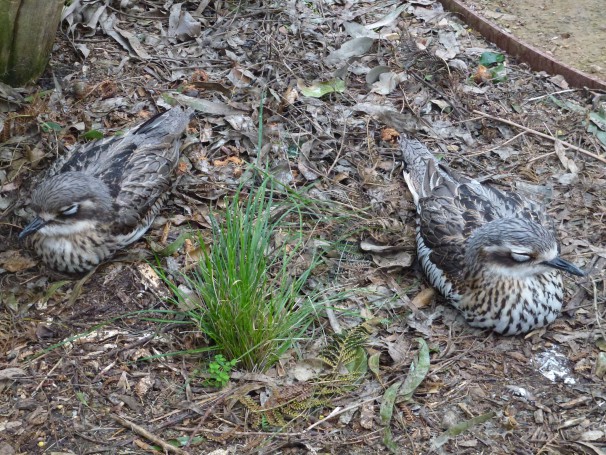
Bush stone curlew
From: prometheus.med.utah.edu/~bwjones/2023/02/bush-stone-curlew/

DSC_6523
Bush Stone-curlew

Bush Stone - curlew
48527554991_80472bddfc_k

DSC_6521
Bush Stone-curlew

DSC_6520
Bush Stone-curlew

Bush Stone-curlew
41019192255_9eefbb4c10_k

Bush stone-curlew
A picture of a bush stone-curlew

Bush stone-curlew
Hiding in the gardens

Bush stone-curlew
A picture of a bush stone-curlew

Bush Stone Curlew
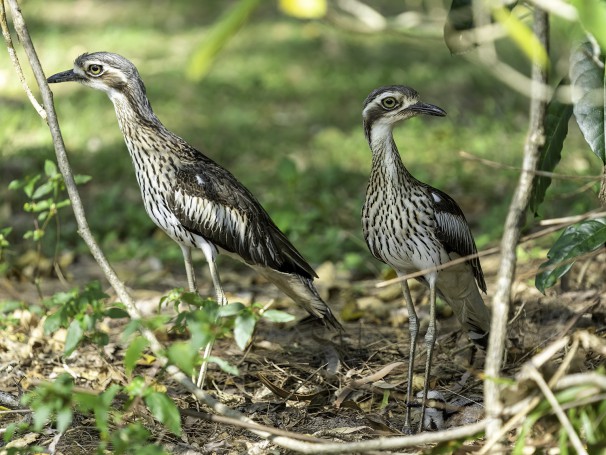
a pair of Bush Stone Curlews photographed in an inner city park at Brisbane, Australia.

Bush Stone- Curlew
Just having a stretch.

Bush Stone-curlew (Burhinus grallarius)
Centenary Lakes, Cairns, Queensland, Australia.

Bush stone curlew
Hiding in the gardens.

Bush stone-curlew
Bush stone-curlew at East Point

Bush Stone-Curlew
3583055247_b61b67e40e_z

Bush Stone-curlew (Burhinus grallarius)
Centenary Lakes, Cairns, Queensland, Australia.

Bush Stone-curlew
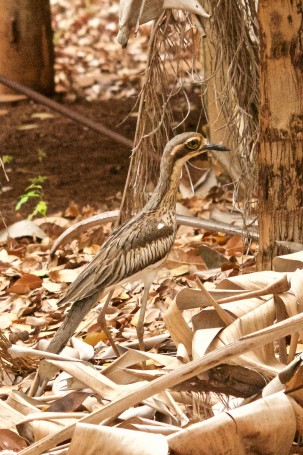
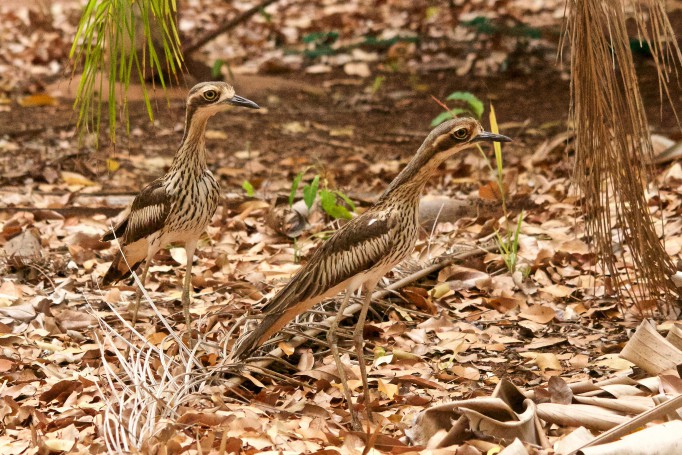
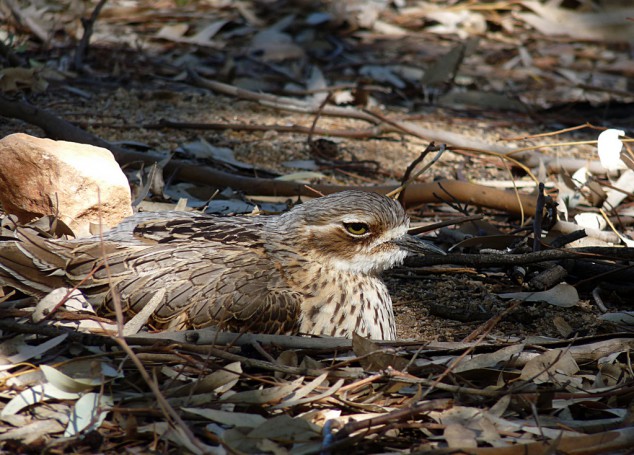
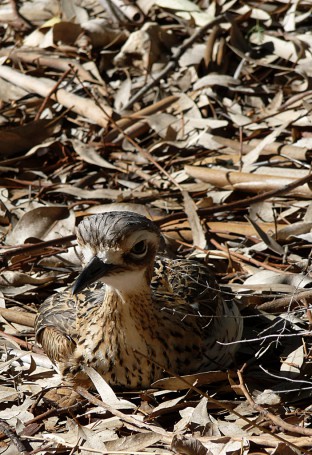
These big Bush Stone-curlews were sitting (nesting?) in leaf litter about a metre from a footpatrh in Desert Park, Alice Springs. Their camouflage was so effective that people were walking past without noticing them.

Bush Stone-curlew
Part of a birds of prey display

Bush Stone Curlew
38671155974_762281e23d_k

Bush Stone-Curlews
Novotel Rockford, Palm Cove, Queensland, Australia.
This was on the Palm Cove golf course ... I think this was part of our hotel ... but I never saw it being used.
It was a lovely place to walk, and see interesting wildlife, although I was a bit wary of that too!
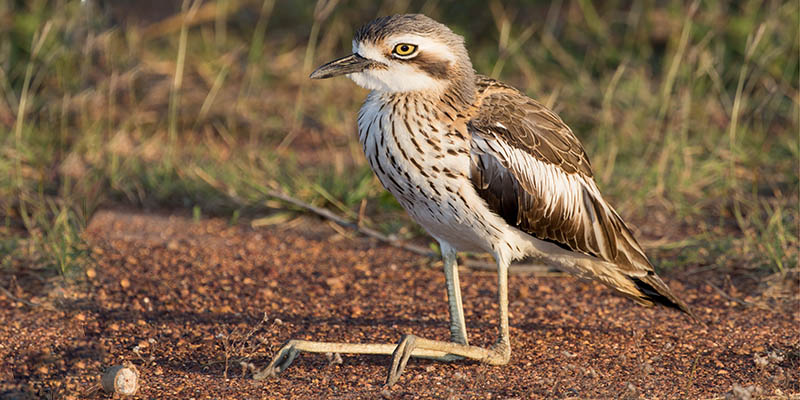
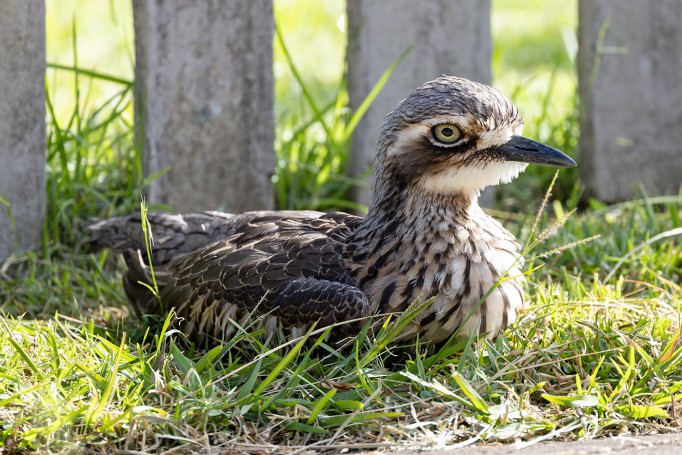
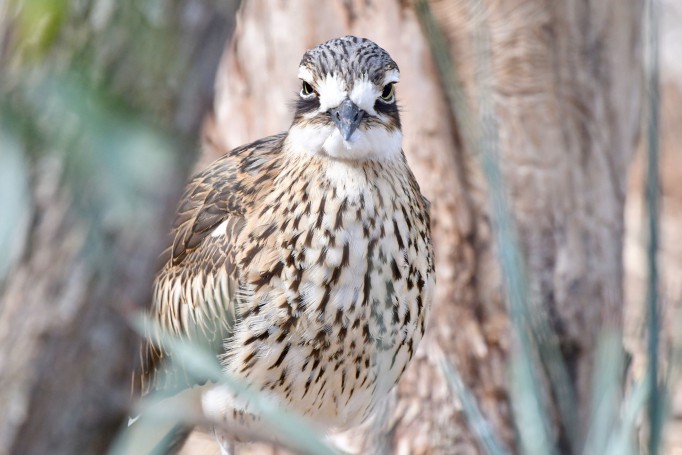
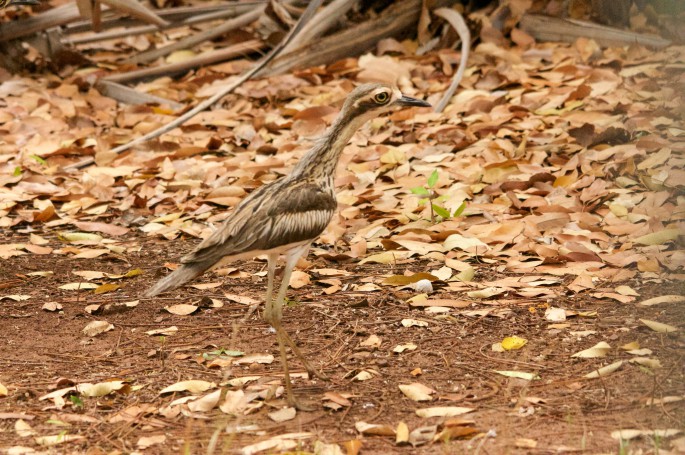
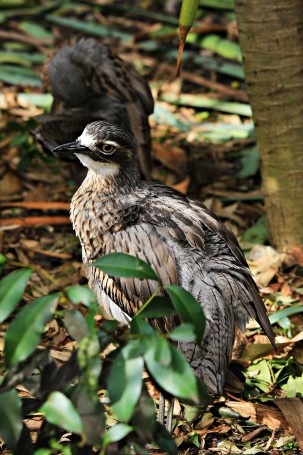
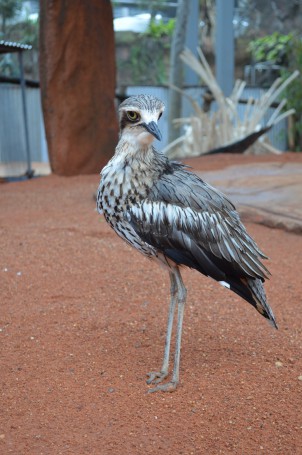
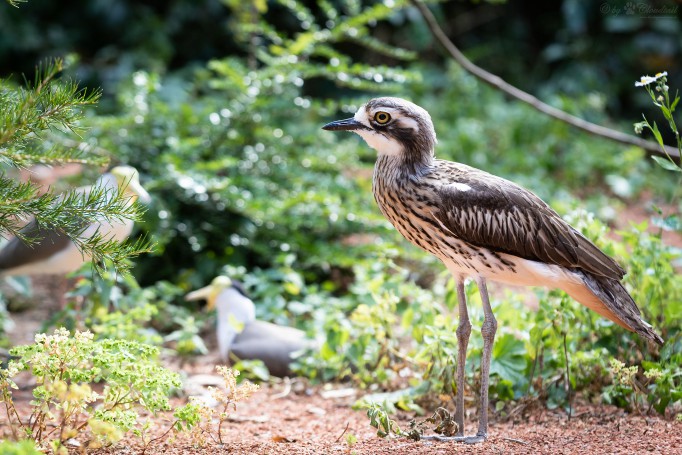
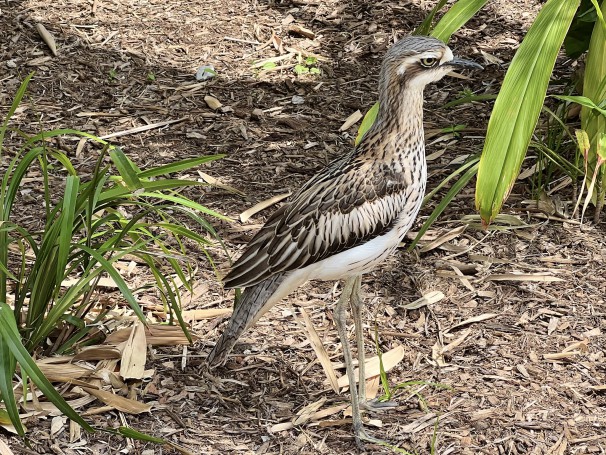
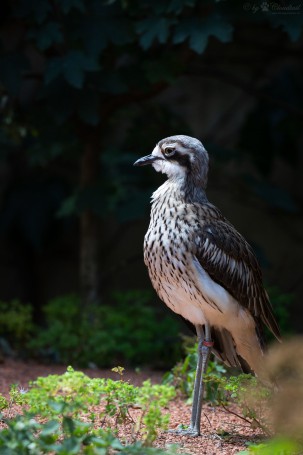
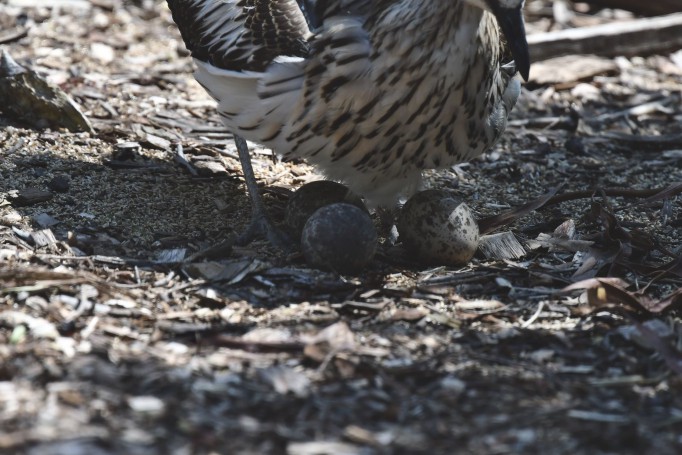
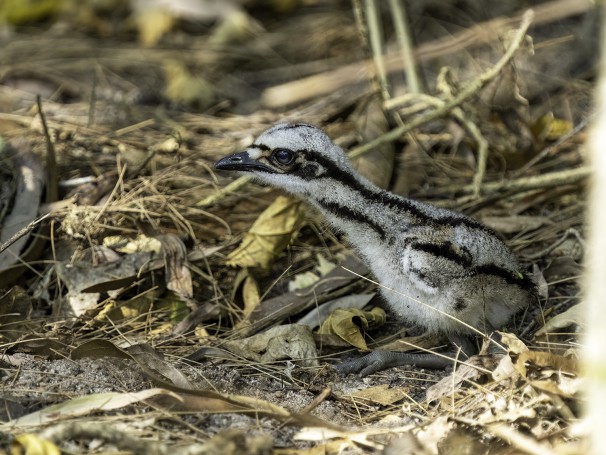
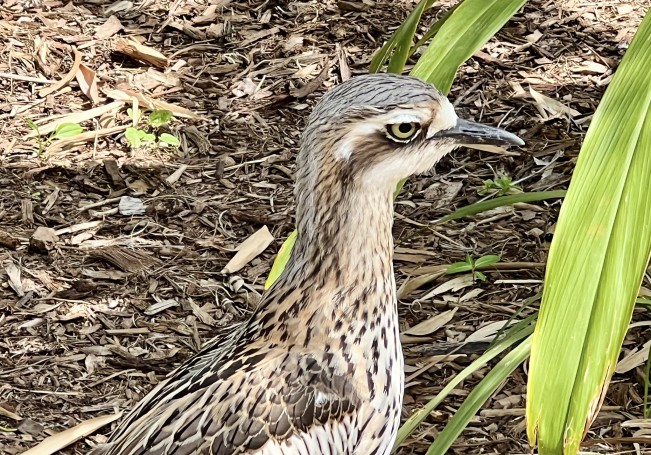
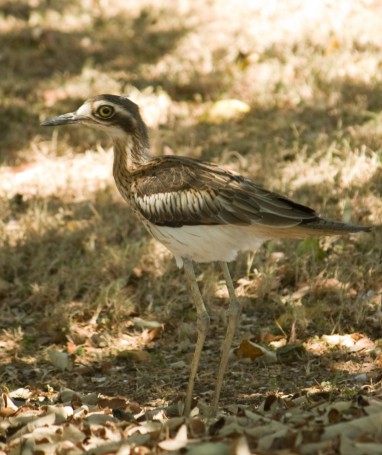
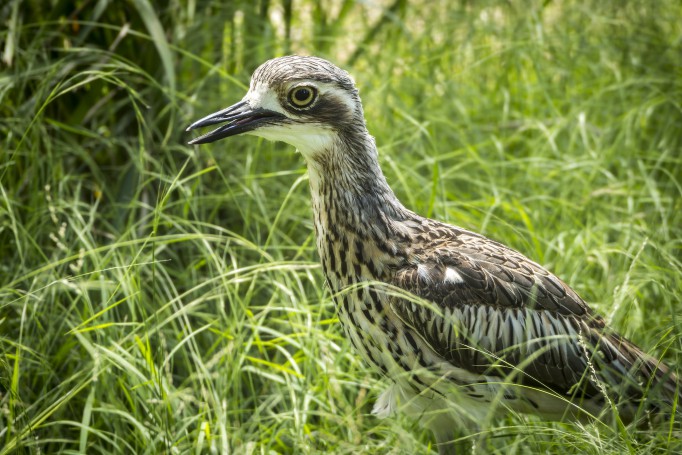
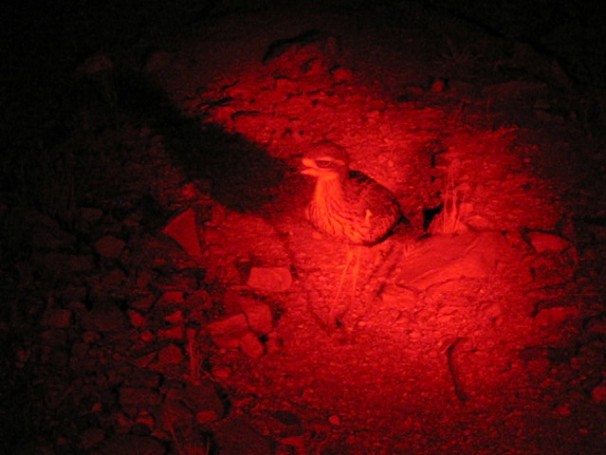
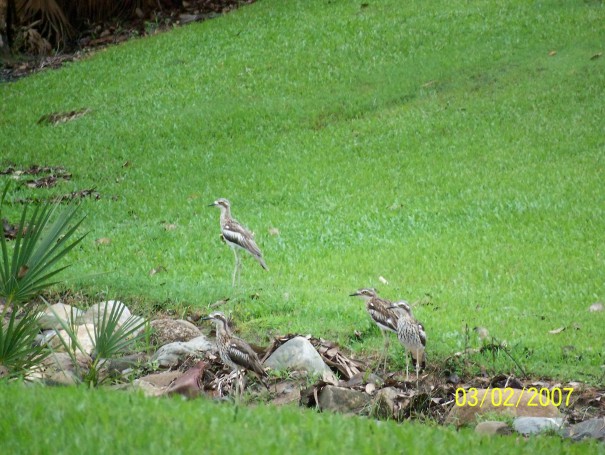
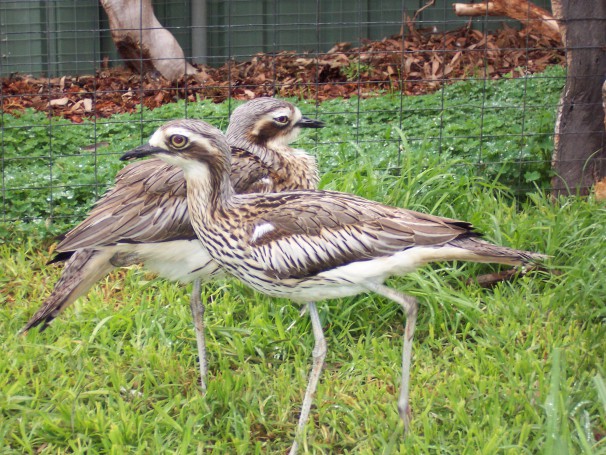
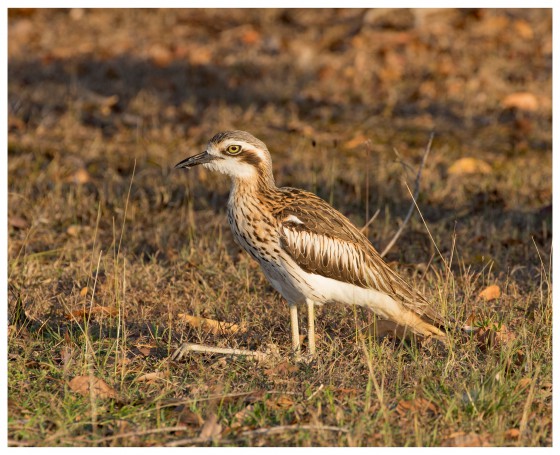
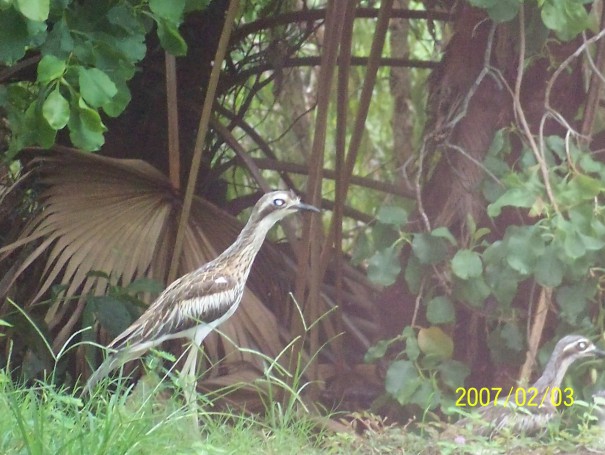
The bush stone-curlew or bush thick-knee, also known as the Iben bird (Burhinus grallarius, obsolete name Burhinus magnirostris) is a large, ground-dwelling bird endemic to Australia. Its favoured habitat is open plains and woodlands, where it stalks slowly at night in search of invertebrates such as insects. Its grey-brown colouration is distinguished by dark streaks, its eyes are large and legs are long. It is capable of flight, but relies on the camouflage of its plumage to evade detection during the day; the bush curlew adopts a rigid posture when it becomes aware of an observer. Both sexes care for two eggs laid on the bare ground, usually sited near bush in a shaded position or next to a fallen branch.

Bush Stone-curlew
Urimbirra Wildlife Park. Near Victor Harbor, South Australia.

Bush Stone Curlews (Burhinus grallarius)
Casuarina Coastal Reserve, Brinkin, Darwin, Northern Territory, Australia

Bush Stone-Curlew
Novotel Rockford, Palm Cove, Queensland, Australia.
This was on the Palm Cove golf course ... I think this was part of our hotel ... but I never saw it being used.
It was a lovely place to walk, and see interesting wildlife, although I was a bit wary of that too!
The bush stone-curlew or bush thick-knee, also known as the Iben bird (Burhinus grallarius, obsolete name Burhinus magnirostris) is a large, ground-dwelling bird endemic to Australia. Its favoured habitat is open plains and woodlands, where it stalks slowly at night in search of invertebrates such as insects. Its grey-brown colouration is distinguished by dark streaks, its eyes are large and legs are long. It is capable of flight, but relies on the camouflage of its plumage to evade detection during the day; the bush curlew adopts a rigid posture when it becomes aware of an observer. Both sexes care for two eggs laid on the bare ground, usually sited near bush in a shaded position or next to a fallen branch.

Bush Stone-Curlews
Novotel Rockford, Palm Cove, Queensland, Australia.
This was on the Palm Cove golf course ... I think this was part of our hotel ... but I never saw it being used.
It was a lovely place to walk, and see interesting wildlife, although I was a bit wary of that too!
The bush stone-curlew or bush thick-knee, also known as the Iben bird (Burhinus grallarius, obsolete name Burhinus magnirostris) is a large, ground-dwelling bird endemic to Australia. Its favoured habitat is open plains and woodlands, where it stalks slowly at night in search of invertebrates such as insects. Its grey-brown colouration is distinguished by dark streaks, its eyes are large and legs are long. It is capable of flight, but relies on the camouflage of its plumage to evade detection during the day; the bush curlew adopts a rigid posture when it becomes aware of an observer. Both sexes care for two eggs laid on the bare ground, usually sited near bush in a shaded position or next to a fallen branch.