2009.20 (18)
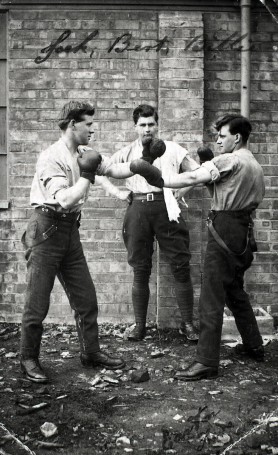
"?Who is it! Oak Cliff, Texas" Snapshot of Sergeant Devos.
Page of the photograph album compiled by Sergeant C. P. Devos while the Royal Flying Corps were training in their winter quarters near Fort Worth, Texas, 1917-1918.

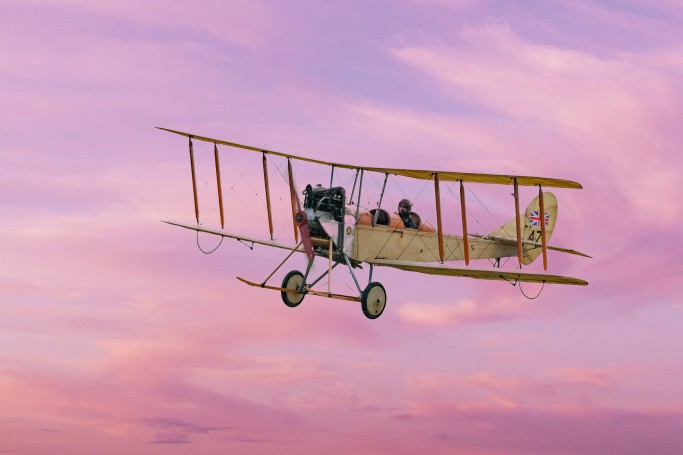
BE2c At Sunset
The Be2c was the aircraft used by the Royal Flying Corps in 1914. It was slow, unarmed and very frail but was still retained well into 1916.
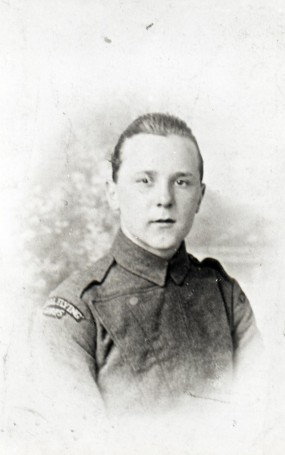
138014 3rd Air Mechanic P.H. Marshall
138014 3rd. Air Mechanic
Percy Harold Marshall
Royal Flying Corps
16th. February 1918
Age 19
Additional Information:
Son of William Henry and Rosa Elizabeth Marshall, of the Duke of Clarence, 49, Alfred St., Bow, London
Buried at Tring Road cemetery, Aylesbury, Bucks.

Royal Flying Corps
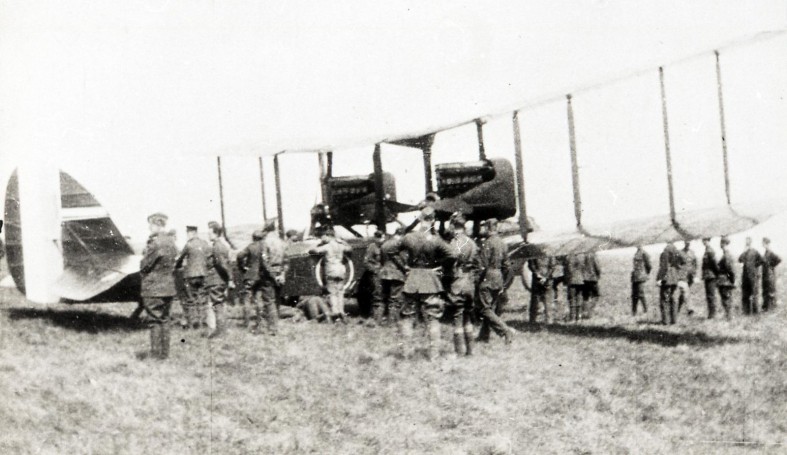
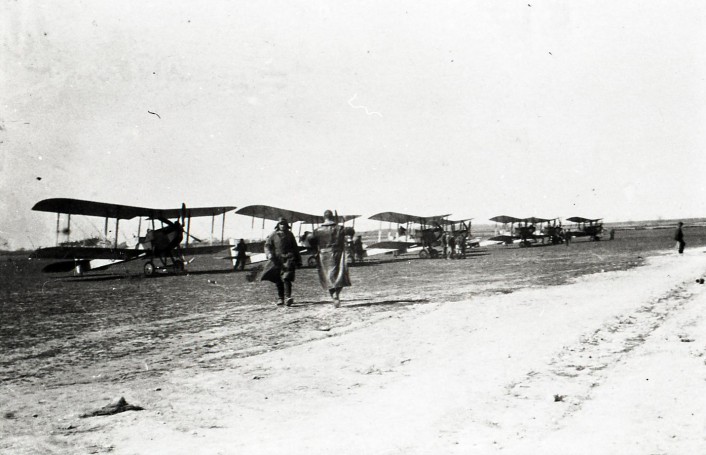
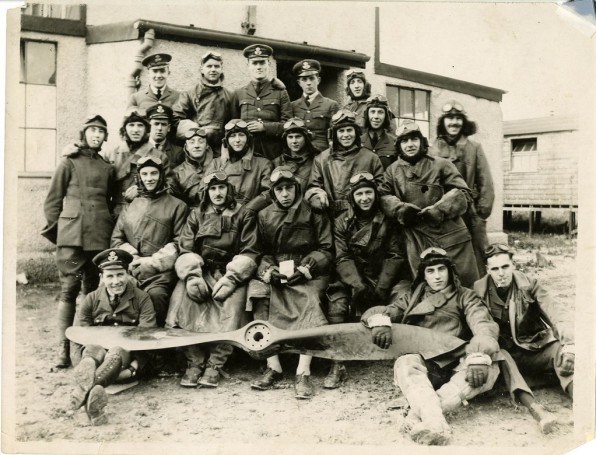
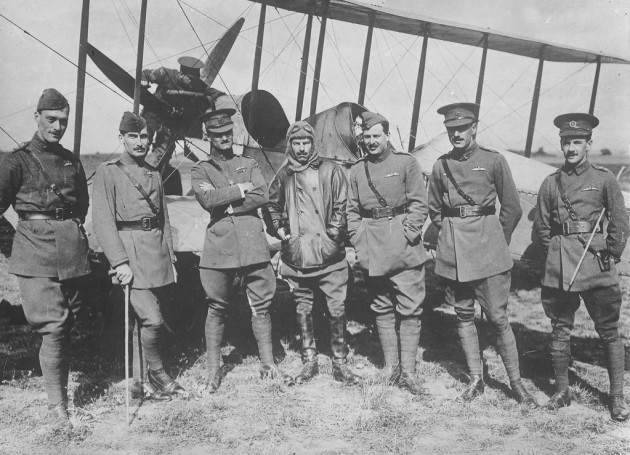
Royal Flying Corps personnel standing round bomber aircraft.
GB124.DPA/2118/186
Royal Flying Corps
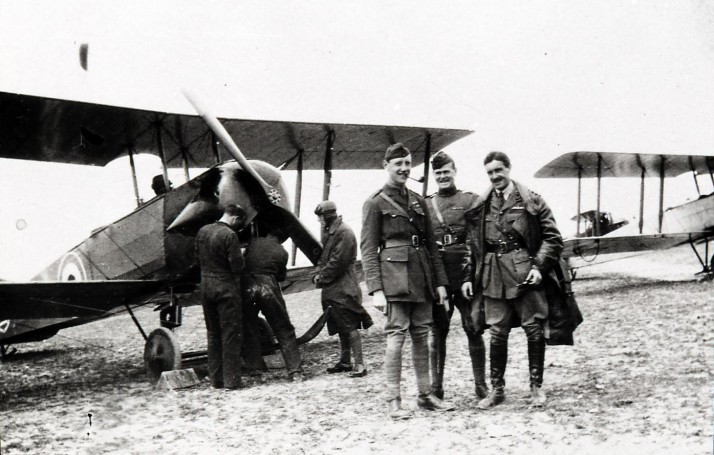
Royal Flying Corps.
GB124.DPA/1072/37
Royal Flying Corps
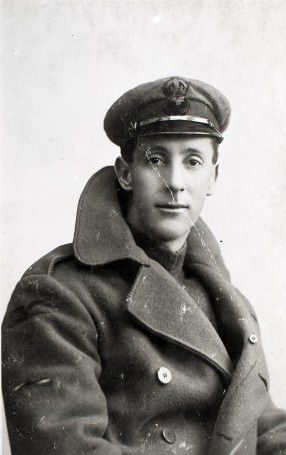
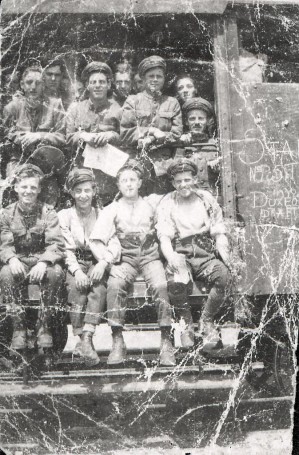
World War One, Royal Flying Corps, the donor is on the right.
GB124.DPA/1439/16
Royal Flying Corps
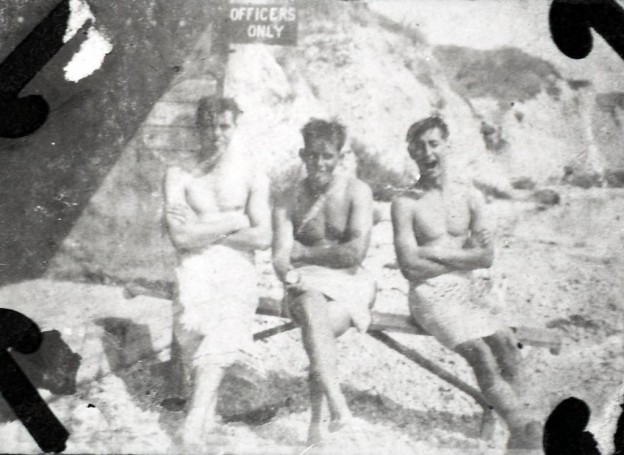
Royal Flying Corps, Catterick Camp (?) in c 1916.
GB124.DPA/1072/39
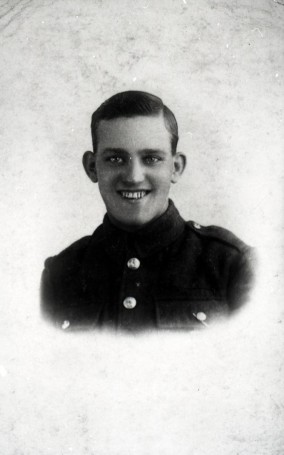
Royal Flying Corps
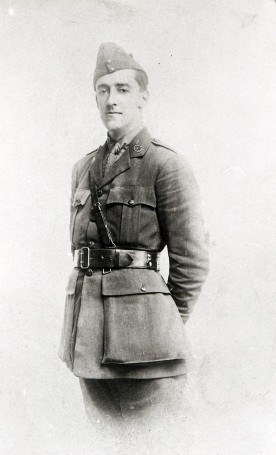
Donor in the Royal Flying Corps 1st World War. On the reverse: E.Crapper, 475 Gorton Road, N. Reddish.
GB124.DPA/1439/7
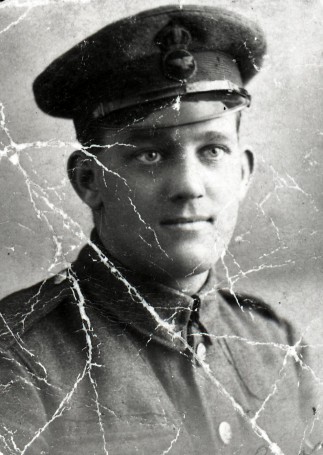
Royal Flying Doctor Service
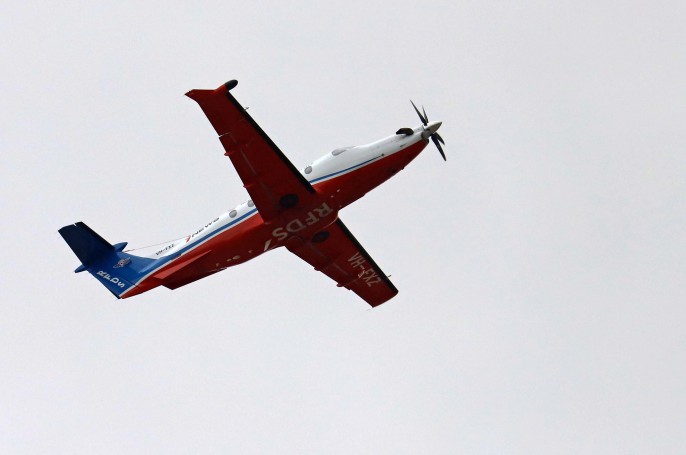
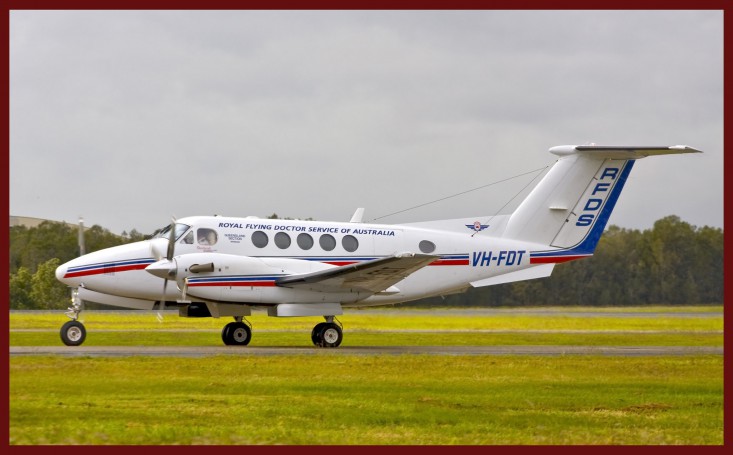
A plane of the RFDS coming into land at the Toowoomba City airport.

Royal Flying Doctor Service
Royal Flying Doctor Service Pilatus PC-12/47E Registration VH-FXZ

Royal Flying Corps cap
During the first world war, the war became increasingly mechanised, through the use of machine guns and motor vehicles. Aeroplanes were used initially to spy on the enemy, and were later equipped with bombs and machine guns.
Accession number: 2005.3002
![[Observer, Royal Flying Corps]](https://www.campervanfinder.com.au/wp-content/plugins/justified-image-grid/timthumb.php?src=https%3A%2F%2Flive.staticflickr.com%2F1940%2F31776948428_c0fa395dfb_c.jpg&h=455&q=90&f=.jpg)
[Observer, Royal Flying Corps]
Teitl Cymraeg/Welsh title: [Gwyliwr, y Corfflu Awyr Brenhinol]
Ffotograffydd/Photographer: D C Harries (1865-1940)
Dyddiad/Date: [c1918]
Cyfrwng/Medium: Negydd gwydr / Glass negative
Gweld y cofnod catalog | View the catalogue record (6389763)
Gweld y ddelwedd | View the image (3891124)
Rhagor o wybodaeth am gasgliad D C Harries yn Llyfrgell Genedlaethol Cymru
More information about the D C Harries Collection at the National Library of Wales
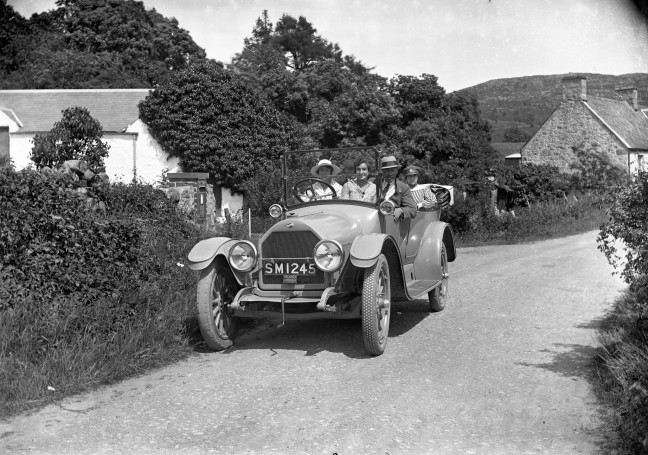
Allan Smith 8
"En route Texas to Canada April 1918"
Photograph of men in Royal Flying Corps uniform marching down a street. The stores they are passing include: Berger Electrical Co., Schiek Auto Col, The Electric Bar Restaurant, Johnson Piano Co.
Possibly taken in Fort Worth.
The Canadian-based units of the Royal Flying Corps trained in Texas from November 1917 to April 1918 to take advantage of the milder weather.
Part of the J. Allan Smith Collection.
![[Airman, Royal Flying Corps]](https://www.campervanfinder.com.au/wp-content/plugins/justified-image-grid/timthumb.php?src=https%3A%2F%2Flive.staticflickr.com%2F1975%2F31776948268_bee9fd3ce6_c.jpg&h=455&q=90&f=.jpg)
[Airman, Royal Flying Corps]
Teitl Cymraeg/Welsh title: [Awyrennwr, y Corfflu Awyr Brenhinol]
Ffotograffydd/Photographer: D C Harries (1865-1940)
Dyddiad/Date: [c1917]
Cyfrwng/Medium: Negydd gwydr / Glass negative
Gweld y cofnod catalog | View the catalogue record (6389772)
Gweld y ddelwedd | View the image (3891134)
Rhagor o wybodaeth am gasgliad D C Harries yn Llyfrgell Genedlaethol Cymru
More information about the D C Harries Collection at the National Library of Wales
Royal Flying Doctor Service-1&
Royal Flying Doctor Service
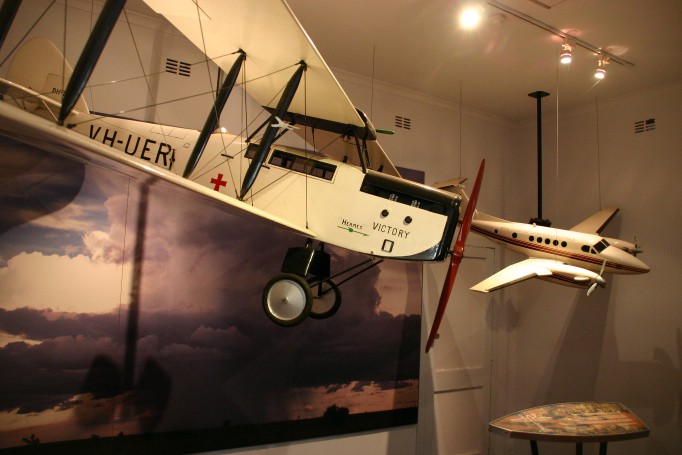
Royal Flying Doctor Service
2952304121_facf8e9695_k
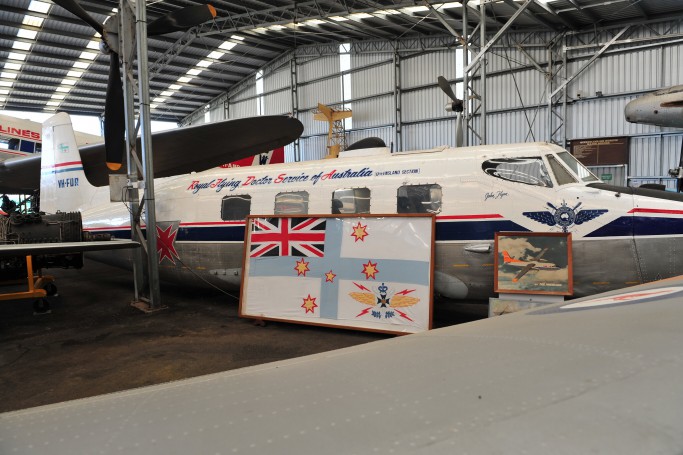
Royal Flying Doctor Service
A map of the Alice Springs RFDS coverage compared to the UK.

John Flynn - Royal Flying Doctor Service - Queensland
6014324174_9b7622d581_k

John Flynn - Royal Flying Doctor Service - Queensland
6014210990_a27b49de15_k

Taking The Dog For A Ride
Beamish Great War Steam Fair

BE2c RFC Sutton's Farm 1916
The BE2c was the standard-issue aircraft for the Royal Flying Corps in 1914 but was soon totally outdated. By 1916 London was being bombed by night from German airships such as the Zepelin or the Schutte-Lanz. The people of London demanded protection and eventually the Government formed 'home defence' squadrons based around London. As all the latest aircraft were needed on the Western Front, these squadrons were often equipped with the oudated BE2c. One such squadron (39 Squadron) was based at Sutton's Farm in Essex (in a later war, this field was to be known as RAF Hornchurch). On the night of 2/3 Sept. 1916 Lieutenant William Leefe Robinson flew a night patrol as German airships were thought to be over London. He stood little chance of seeing one of these airships as they were faster than his plane and could fly at a much greater altitude. Suddenly Leefe Robinson caught sight of the German Schutte-Lanz SL11. After losing the craft in cloud, he found it again and, using the new incentiary bullets was able to shoot it down. For this action he was awarded the Victoria Cross and promoted to captain, although he always maintained he was simply 'doing his job'. Captain Leefe Robinson VC was posted to the Western Front and was shot down in a Bristol Fighter by the Richtofen 'Flying Circus'. He survived and was captured and made several escape attempts. He died on 31st January 1918 of the Spanish Flu.

Royal Flying Corps
Attleborough Cemetery
Attleborough, Norfolk, England, UK

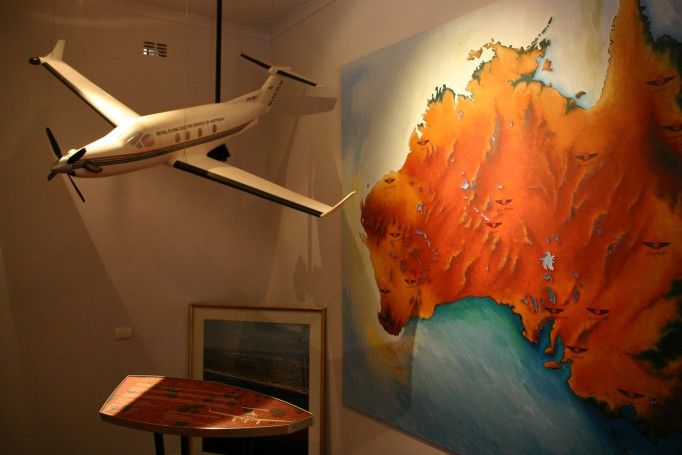
Royal Flying Doctors dentist chair
Dentist chair of the Royal Flying Doctor

Sky Pilot and Pilot in the Sky?
A really handsome family group with a Reverend gentleman, his lady wife and their children including a young man wearing an officers uniform bearing a winged O. Commissioned by Mr. Scutt, Creywell, New Ross the boys bear a strong resemblance to the father. Hopefully number one son survived the next 11 months and lived a long and happy life thereafter?
Photographer: A. H. Poole
Collection: Poole Photographic Studio, Waterford
Date:Circa January 25th 1918
NLI Ref: POOLEWP 2758
You can also view this image, and many thousands of others, on the NLI’s catalogue at catalogue.nli.ie

Ceduna Airport. Royal Flying Doctor aircraft and two ambulances.
Unlike most South Australia towns Ceduna was founded in the 20th century when the optimism of the 19th century farmers had waned. Early explorers had not reported favourably on the land here. Edward John Eyre made his visit to the region in 1839 after sailing to Port Lincoln and then he explored it again in 1840/41. On his second trip he complained about the lack of any water after a ship had provided water to him at Streaky Bay. His party then walked as there was no water for horses. This fateful journey, when Aborigines killed two of his party and Eyre and his Aboriginal friend Wylie nearly died of thirst, Eyre managed to cross the Nullarbor Plain to WA. But none of his reports encouraged settlers. Two explorers Miller and Dutton in 1857 noted no water but said there were good areas of grasslands. The first large pastoral leaseholds were taken up in 1860 but soon surrendered and taken up again after 1868. This was tough country even for sheep. Robert Barr Smith took out the Fowlers Bay run which included Murat Bay and covered 199 square miles. Other leaseholds were also taken up along the coast. All were resumed by the government in the late 1880s when the hundreds were declared. The Hundred of Bonython which covers Ceduna was declared in 1893 and a small farming community began on Murat Bay at Denial Bay. Thirty early settler families petitioned the government for a surveyed town in 1896. This happened in 1901 and it was named Murat Bay. But the town developed very slowly. The first church opened in 1909; the government school only opened in 1914 and minimal development occurred before 1915 when the railway from Port Lincoln reached the town. Before the railway arrived the first government wharf and jetty was built in 1904 to take away the bagged grain at a cost over £6,000; an early stone Institute building was erected; there were two early general stores; the town had a stone hotel –licensed to Mr Charles Mudge in 1901 for opening in 1902; the first police station opened in 1903; the first wooden Post Office opened in 1902; the town before 1909 had a saddler, a blacksmith, a butcher, baker, etc but no candle stick maker.
All the major Christian faiths have been represented in Ceduna. The first church built in Ceduna was the Methodist in 1909 in Poynton Street. Its porched was added 1959 and the “new” church hall was added in 1962. The second church was the early Anglican Church also built in Poynton Street in 1911. It was last used for services in 1954 when the new St Michael’s and All Angels Church across the street opened. It was dedicated by the Bishop of Willochra in 1955 and the adjacent parish hall was built in 1981. The third church erected in town was the Lutheran Church in East Terrace. It was built in 1927 but was in a deteriorating condition by 1970. In 1971 it was demolished and a new Lutheran Church opened. Lutheranism was a strong faith in this region with the Koonibba Lutheran Aboriginal Mission (est. 1901) 39 kms out of town and the early Lutheran Church in Denial Bay 13 kms away which was the first church in the whole region built in 1897. In 1929 the Catholics built a church in Bergman Drive. It was dedicated as Our Lady Star of the Sea Catholic Church. A new parish hall was erected in 1977. Ceduna became its own Catholic parish with a resident priest in 1973 when it broke away from Streaky Bay.